Gin and Tonic: history, quinine and the perfect recipe
Two ingredients, a colonial empire and a fever tree: how the gin and tonic became the most loved long drink in the world.
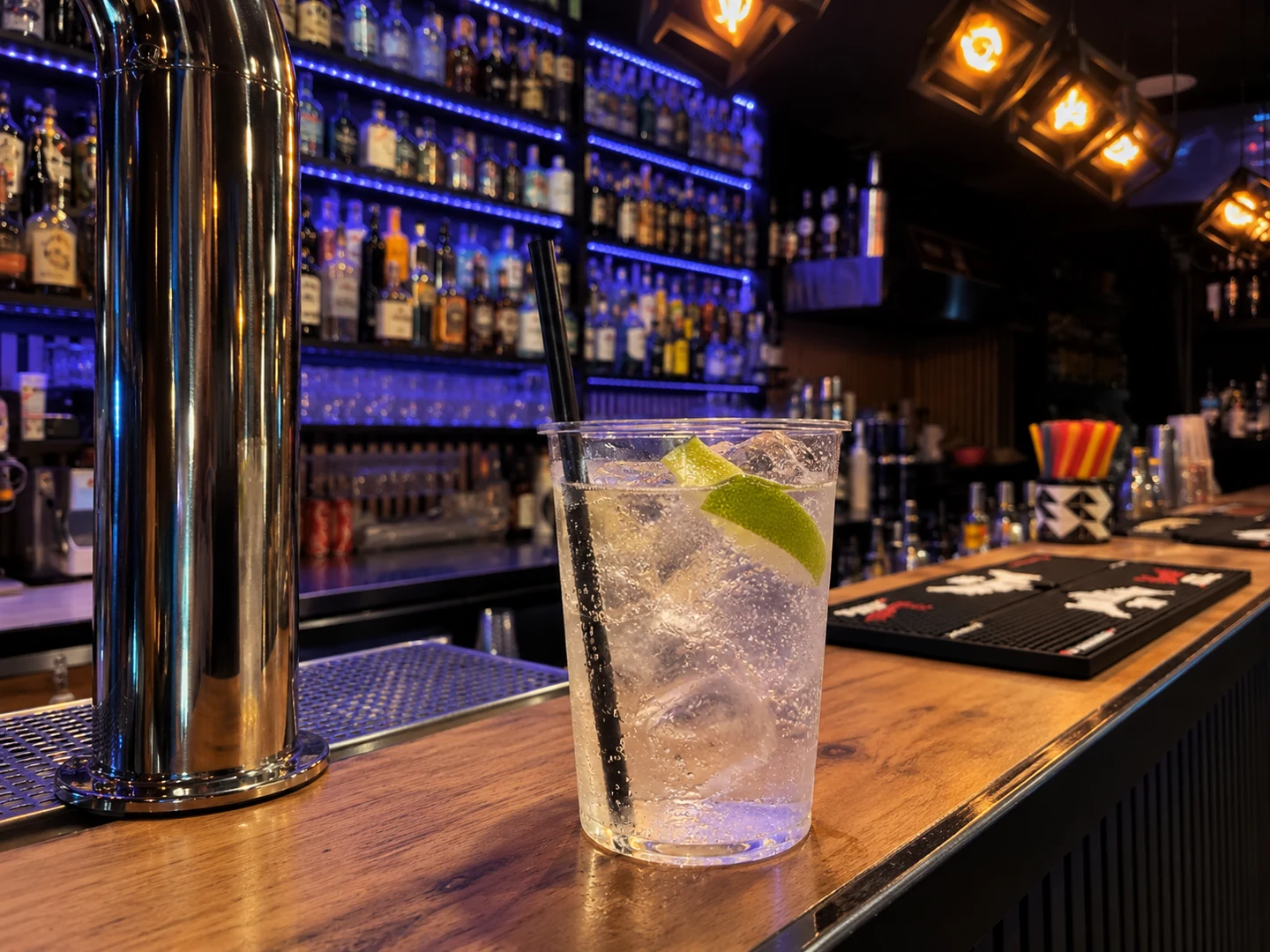
It looks like the simplest drink in the world: gin and tonic. And yet behind that glass lies a story that crosses empires, tropics and pharmacology. And, above all, a handful of details that separate a forgettable gin and tonic from a memorable one.
Quinine, cinchona and the tropics
The story begins with a South American tree, the cinchona, from whose bark quinine is extracted: for centuries the only known Western remedy against malaria. In 1858 Erasmus Bond patented the first “tonic water”, that is, carbonated water flavoured with quinine. It was intensely bitter.
The gin and tonic was born in British colonial India, in the second half of the nineteenth century: the first written record dates to 1868, in a sporting magazine describing the horse races at Sialkot. British officers lengthened their tonic with gin and sugar to make it drinkable.
Myth and reality
There’s a legend that won’t die: that the gin and tonic was born as “malaria medicine”. The historical truth is more sober. As scholars document, from the earliest sources the gin and tonic appears as a refreshing drink for hot climates, not a treatment. The amounts of quinine involved, in any case, would never have been enough to cure anything. What remained was quinine’s “healthy” aura, which made it a fitting drink for the tropics.
The recipe (and the details that matter)
The structure is simple: gin + tonic + ice + lime. A balanced base:
- 50 ml gin (a London Dry is the classic choice)
- 150 ml cold tonic water
- a lime wedge
- plenty of ice
The details that make the difference: lots of ice, properly cold (it melts more slowly), tonic poured slowly to keep the bubbles, and a single stir.
The gin and tonic at Jimmy
With over 500 bottles behind the bar, the gin and tonic is a little game of pairings for us: change the gin and the tonic, and the whole glass changes. A citrusy London Dry calls for a neutral tonic; a more botanical gin loves a delicate tonic and a different twist. Tell me the profile you like and we’ll build it together — on Via Petroni, in the university area of Bologna.
Before you visit Jimmy.
What's the right ratio for a gin and tonic?
A balanced base is about 1 part gin to 3 parts tonic (for example 50 ml gin and 150 ml tonic), in a glass full of ice with a lime wedge. Adjust from there to taste.
Why is tonic water bitter?
Because of quinine, an alkaloid extracted from the bark of the cinchona (fever) tree. It was once used against malaria; today's tonics contain far less of it and are sweeter.
Highball or balloon glass?
Both work. The balloon glass, popular in the Spanish style, helps you pick up the gin's aromas; the highball stays the classic, more thirst-quenching choice. Either way, plenty of ice.
Sources and further reading
- The Gin and Tonic — The Oxford Companion to Spirits & Cocktails · Oxford Companion / Spirits & Distilling
- Gin and tonic · Wikipedia
- Just the tonic: A natural history of tonic water · Royal Botanic Gardens, Kew